

Meet the Space System!
Uzay System is here for you with its quality workmanship, industry recognition, use of select materials, and expert team!
◎ Space frame systems
◎ Steel roof systems

Our LatestArticles
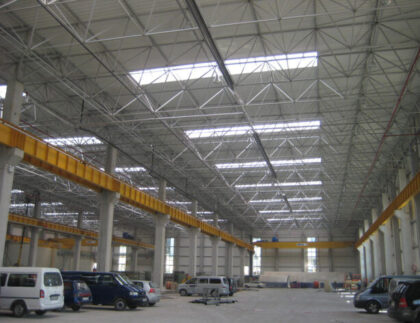
Space frame systems are a type of prefabricated construction used to span large openings, consisting of three-dimensional, highly rigid tubes and spheres. The economic and practical nature of this system is increasing its demand. Today, throughout the world, prefabricated space frame systems are used instead of prestressed concrete and classic steel roof constructions for spanning large openings such as factories, gymnasiums, and indoor swimming pools. Space frame system elements can easily span openings of all sizes, from 10 meters to 100 square meters.
Space Frame System Manufacturing
In space system manufacturing, ST 33 black welded pipe ends, cut with 1/5 precision using special saws, are fitted with specially shaped cones made of ST 60 hot forging, using gas shielded welding with the same precision. These cones, welded to the pipe ends, have holes drilled in them containing bolts suitable for the pipe, based on static calculations performed using computers. These bolts are hardened and galvanized. The bolts are screwed into the ball using galvanized nuts.
The balls are specially manufactured from ST 60 steel by hot forging. They can have various diameters such as 0.60, 0.90, and 0.130 mm depending on the angle. Drilling must be done with an accuracy of 1/10 of the total degree. Otherwise, the axes of the pipes and the axes of the holes will not align, and these two elements cannot be screwed together. After drilling, the balls are coated with 0.25 micron galvanization.
The system includes purlin elements that provide the necessary slope to the roof. These elements consist of box and pipe profiles and are manufactured at the required height according to the desired slope. The pipes and purlins are cleaned with metalfost, thinned with thinner, and then primed with maxifiller primer. Afterwards, they are painted with oven paint and left in an oven at 120 degrees Celsius for 30 minutes. This is the general process of producing the Space Frame System .
Space Frame System Features
Space frame roof systems differ from traditional roofs in many ways. These roofs offer significant advantages compared to traditional roofs. Space frame systems generally include the following features and advantages:
Economical: Space frame systems have a very short installation time. Because the installation time is so short, the increase in construction costs that may occur over time is eliminated, and there is no need for escalation. Space frame systems are much more economical than flat frame systems.
Aesthetics: Space frame systems add an aesthetic touch to structures due to their pleasing appearance. They can be finished with powder coating, galvanizing, nickel plating, or chrome plating. Nickel-plated or chrome-plated applications can be used decoratively in exhibition stands.
Compatibility with installations: Ventilation, air conditioning, electrical and other installation ducts can easily pass through the space frame roof in all directions. In addition, homogeneous lighting can be provided through the spheres in the lower section.
Easy assembly: Space frame systems are extremely easy to assemble and can be done entirely on the ground or in the air.
Ease of transport: Space system connectors and nodal points are shipped to construction sites in our company’s special packaging that will not damage the paint and coatings.
Reusability: Since the space frame system is fully prefabricated, it can be disassembled and relocated.
Advantages of Space Frame Systems
Previously, the roofs of factories, warehouses, garages, gymnasiums, and similar structures were covered with a truss system, to which purlins and wind and seismic bracing were attached before the roof covering. However, with the widespread use of computers, the use of space frame roof systems, for which static calculations can be performed very easily, has become common.
Space frame systems are generally hyperstatic (highly durable) roof systems composed of pyramids. This system, which covers the structure like a shell, has the following advantages:
-For the same opening and arm span, the frame system provides a 30% saving in main materials.
-It can cover even openings that are impossible to close with a scissor system.
-The roof height can be kept very small. This increases the ratio of interior to exterior volume.
-It can be manufactured using prefabricated or welded methods. With both methods, the manufacturing and construction time is much shorter compared to the truss system.
-When constructed with prefabricated elements, these elements are painted with oven paint or galvanized at the factory. This allows for the creation of a roof that is very well protected against rust.
– Ventilation, electrical, and plumbing pipes can easily pass through the space frame roof . Therefore, the roof can serve as a support for these or, if present, for elements such as suspended ceilings.
-The response of a truss roof to temperature changes is very limited. Displacements caused by temperature changes are much smaller compared to a truss system.
-The space frame system provides a much more aesthetic and homogeneous appearance compared to the scissor system.
Where are space frame roofs used?
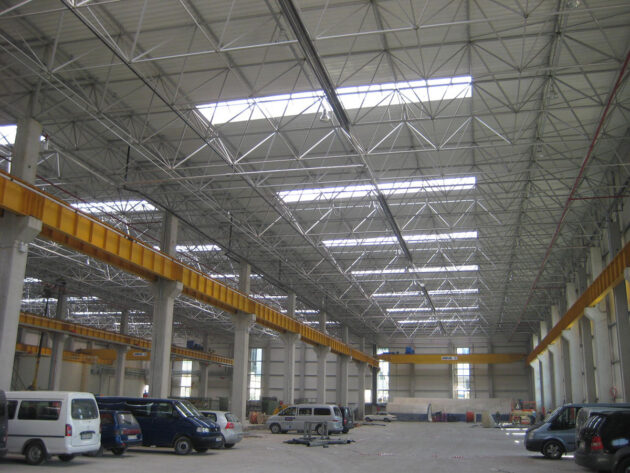
Space Frame SystemSpace frame systems ( space frame roofs ) are widely preferred in many areas. These areas generally include warehouses, factories, swimming pools, indoor sports halls, aircraft hangars, gas stations, grandstands, car dealerships, and shipyards.
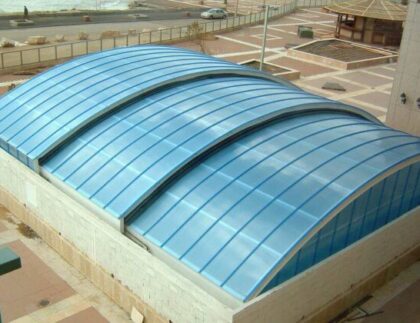
In today’s building design landscape, where aesthetics and energy efficiency are paramount, Skylight Systems combine these needs. Thanks to this system, interior spaces receive more sunlight, resulting in energy savings and a more spacious interior atmosphere.
Skylight systems create a unique lighting source for buildings by allowing natural light to enter interior spaces. This reduces electricity consumption and results in energy savings. In this respect, skylight roof systems demonstrate an environmentally friendly approach.
Another advantage of this system is that it creates an aesthetic and comfortable impression in buildings. Interior spaces that receive natural daylight have a more vibrant and energetic atmosphere, which increases the comfort of the space. In addition, skylight roofs make living spaces more attractive.
Skylight panels can be designed in various shapes and produced in different sizes. This provides architects with a wide range of design freedom. This freedom allows architects to move away from the ordinary and ensure that each project has a unique signature.
Skylight Roofs in Contemporary Architecture
In the ever-evolving world of architecture, the use of natural light and energy efficiency in building design are of paramount importance. In this context, Skylight Systems play a key role in contemporary architecture, as they combine numerous advantages, from aesthetics to energy savings.
A Combination of Natural Light and Modern Aesthetics: Skylight System
Skylight systems are a fundamental element of modern architecture, particularly due to their ability to direct natural light into interior spaces. This system maximizes the entry of daylight into interiors thanks to special glass panels integrated into roofs or walls. Therefore, skylight roof systems add a bright and airy atmosphere to buildings.
Skylight systems stand out not only for their aesthetic contributions to buildings, but also for their energy-saving solutions. Offering a sustainable approach by reducing electricity consumption, these systems have become an indispensable part of environmentally friendly buildings today. The compatibility of architectural designs with energy efficiency is emerging as a significant factor in determining future building choices.
Freedom of Design and Aesthetic Diversity
Skylight systems offer architects a wide range of design possibilities, enhancing the aesthetic diversity of buildings. Panels in various shapes and sizes allow architects to create unique projects. This translates into innovative and contemporary works in the world of architecture.
In contemporary architecture, skylight systems stand out not only as a means of lighting but also as an energy-efficient, environmentally friendly, and aesthetically pleasing option. These systems are shaping future architectural trends by making architectural designs more functional, attractive, and sustainable .
Skylight System Lifespan
The lifespan of skylight systems can vary depending on several factors. Generally, using high-quality materials, regular maintenance, and installation by professionals contribute to a longer lifespan. The main factors affecting the lifespan of skylight roof systems are as follows:
Material quality: Using durable materials for skylight panels and frames contributes to the longevity of the systems. Selecting materials that are UV-resistant, crack-resistant, and weather-resistant is crucial in this regard.
Installation: Proper installation of skylight systems is crucial for their lifespan. Therefore, installation performed by experts ensures a longer lifespan. Installations not carried out by professionals can lead to problems such as leaks.
Maintenance: Regular maintenance is extremely important for skylight roof systems . This is because regular maintenance improves the system’s performance and extends its lifespan. Maintenance procedures should include regularly cleaning debris such as leaves and dust from the roof and checking the seals.
Safety Measures: Especially in areas with intense sunlight, using safety measures such as UV filters or solar reflective coatings can increase the durability and lifespan of the systems.
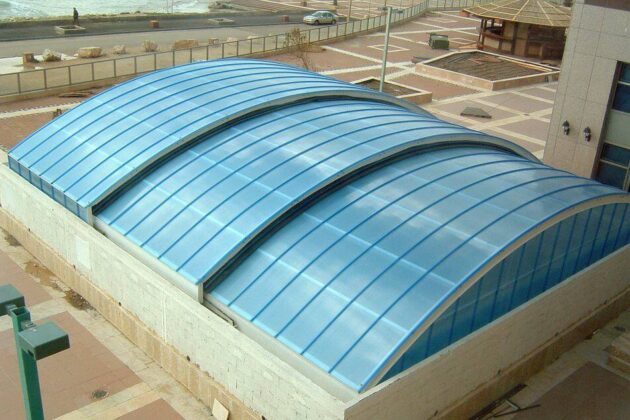
Our company, with years of experience and an expert team, produces the highest quality Skylight Systems ( skylight lighting systems) and offers them to you at the most competitive prices. Having hundreds of large references both domestically and internationally, our company operates on the principle of “quality”. Our expert team, with years of experience, provides our customers with long-lasting and durable Skylight Roof System services through the right material selection, quality workmanship, and meticulous work strategies. We are always ready to be by your side in your project. You can contact our company for detailed information about our work.
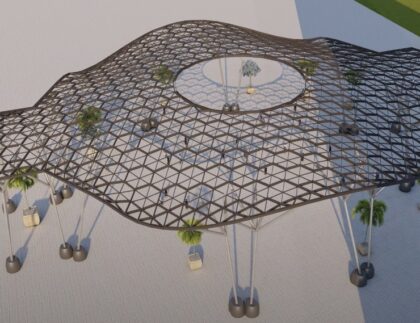
Single-layer structures represent a significant innovation in architectural design, moving away from traditional structural approaches and embracing a more minimalist, functional, and nature-inspired design philosophy. This design approach aims to reduce complexity and achieve aesthetic unity by integrating the basic load-bearing elements of structures into a single plane.
This design approach allows architects to push boundaries and respond to contemporary expectations, creating new and groundbreaking structures outside of traditional architecture. Therefore, Single Layer Structures roofs increase diversity in the architectural world, paving the way for the creation of unique and striking works.
Features
Single-layer roofing systems have many features, but their main distinguishing features are as follows:
Minimalism: Single-layer structure designs focus on reducing and simplifying the basic layers that make up the structure. This minimalist approach aims to eliminate unnecessary details and complexity. By avoiding unnecessary details and simplifying the basic load-bearing elements, these designs present a minimalist look. Thus, the complexity of the roof is minimized.
Single-layer structure: These roof designs focus on a single layer or plane. Instead of the multi-layered structure used in traditional roof designs, Single Layer Structures roofs combine the basic load-bearing elements in a single plane.
Variety of slopes and forms: These roof designs can enhance the architectural diversity of the roof by playing with various slopes, forms, and openings. This allows the roof to be aesthetically diverse and eye-catching.
Integration with nature: Single Layer roof designs are generally inspired by nature. In this context, organic forms, natural materials, and environmental interactions play an important role in the architect’s design process. This ensures that the structure is in harmony with its surroundings and emphasizes natural beauty.
Functionality: The design is created not only with aesthetic considerations in mind but also with the aim of making the structure more functional. In this system, each layer has a specific function, and this functionality is enhanced using design elements.
Innovative production: Single Layer Structures enable the use of innovative materials and technologies in addition to traditional building materials. This allows for the use of thinner and more durable materials compared to traditional roofing materials. Furthermore, it is possible to experiment with different material combinations to improve the structural properties of these roofs.
Aesthetic appearance: Single-layer roof designs generally incorporate aesthetic integrity. The harmonious design is achieved by making all elements of the structure appear as if they are joined on a single plane.
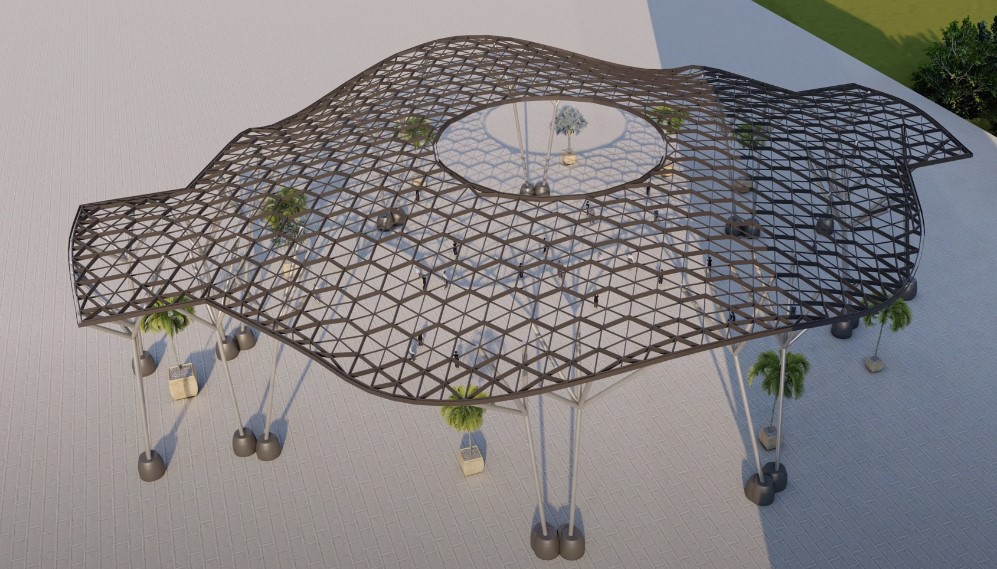
Single layer roof designs have flexible and diverse structural features suitable for various applications. This design approach has the potential to meet different needs and offer solutions in terms of aesthetics, functionality, and sustainability in spaces. This system is preferred in many areas, especially public buildings, residences, gyms, and commercial centers.
Single-layer structure roof designs offer a wide range of uses, adapting to different functions and architectural needs. These designs are a popular option for projects seeking architectural diversity and innovation. To learn more about this design and to acquire one, you can contact our company and move away from ordinary designs by keeping up with the latest architectural trends.