
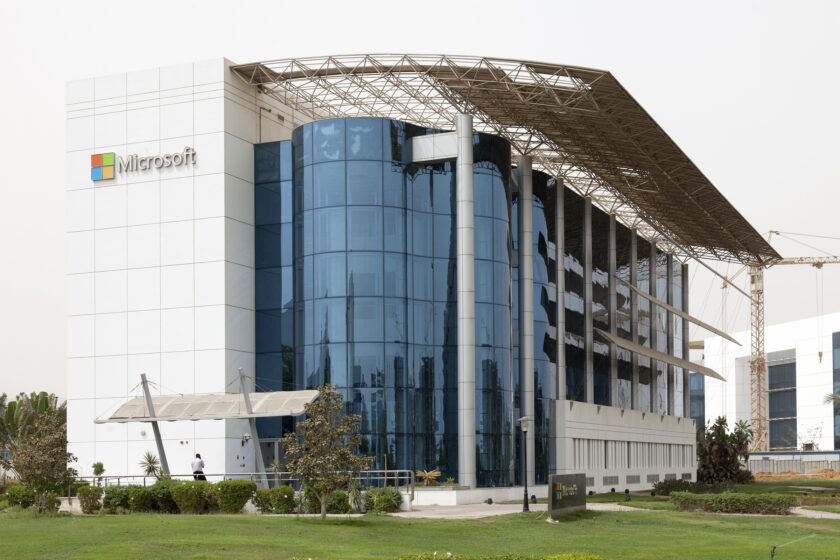
Space frame roofs are a frequently preferred structural system in the construction industry. They enhance the visual appeal of modern buildings and offer practical solutions. When combined with advanced engineering techniques and aesthetic designs, space frame roofs make structures much more striking. The most distinctive feature of space frame roofs is their aesthetic appearance and architectural versatility. Designed in various shapes and slopes, space frame roofs create a highly modern and aesthetically pleasing impression.
Space frame roofs are generally designed to cover large spans. This allows them to provide more usable space inside. Because they can cover large openings, they are frequently preferred in large areas such as gyms, shopping malls, and exhibition halls.
Space frame roofs are widely preferred in the construction industry due to the many advantages they offer. One of these advantages is that space frame roofs allow buildings to receive more natural light. Space frame roofs, constructed using glass panels or transparent materials, enable natural light to enter interior spaces, creating a bright environment. This increased brightness also leads to energy savings.
How are space frame roofs built?
The construction process for space frame roofs consists of engineering and construction phases. The basic stages of space frame construction are as follows:
- Planning and design: The first step is the planning and design of the space frame roof. At this stage, the dimensions, shape, and materials of the roof are determined according to the building’s requirements. Architects, engineers, specialists, and clients collaborate and play a crucial role in the roof design process.
- Engineering calculations: Space frame roofs must be able to cover large spans and carry large loads. Therefore, engineers perform the necessary engineering calculations to account for factors such as structural strength and load-bearing capacity.
- Material selection: The materials used for space frame roofs are determined by factors such as structural strength, thermal insulation, and visual aesthetics. Generally, glass panels, transparent plastics, or other durable materials are used in space frame roofs.
- Construction phase: The construction phase includes the installation of the foundation and supporting systems. The supporting elements of a space frame roof are generally made of steel. The roof structure is formed by correctly assembling these elements.
- Glass panel or transparent material application: After the roof structure is built, space roofs are usually covered with glass panels or transparent materials. This allows natural light to enter the interior spaces. Proper installation of glass panels or transparent materials also ensures airtightness.
- Final adjustment phase: Once the space frame roof is completed, finishing work is carried out. This includes the final touches necessary to complete the aesthetic appearance of the roof. Fine adjustments at this stage include leak tests, cleaning procedures, and checking other details. All these stages constitute the construction process of space frames roofs. The construction process of a space frame roof consists of stages requiring expertise and experience. Therefore, working with a professional team is extremely important when choosing a space frame roof . Because every process carried out from the design phase to the completion phase requires technical expertise. Our company, Uzay Sistem, has been involved in significant space frame roof projects for many years and therefore possesses considerable experience. Our expert team, with extensive experience both domestically and internationally, is always ready to support you in your space frame roof project.
What are the differences between standard roofs and space frame roofs?
There are significant differences between space frame roofs and standard roofs. The main differences between these two roof types are as follows:
- Structural design: Standard roofs are typically triangular or pitched. Space frame roofs, however, can be designed in many different shapes and slopes. This versatility allows for more creative and modern architectural solutions.
- Support systems: Standard roofs use roof trusses or support elements to support their structure. Space frame roofs, however, use fewer support elements. The load-bearing system of space frame roofs is designed to allow for the covering of larger spans, thus creating more usable space in the interior.
- Aesthetic appearance: Standard roofs generally have a traditional and simple look. Space roofs, on the other hand, have a more contemporary, aesthetically striking, and modern appearance. Space roofs, covered in various shapes and transparent materials, allow natural light to enter the interiors, creating a highly aesthetic and bright environment.
- Area of use: While standard roofs are generally used in houses or small structures, space frame roofs are typically preferred in large areas. Space frame roofs are extremely common in large, open spaces such as gyms, shopping malls, exhibition areas, and airports.
- Engineering and construction: Space roofs require a more complex engineering and construction process than standard roofs. Structural strength and engineering calculations are of paramount importance due to their ability to cover large spans and carry heavy loads. Furthermore, the construction and assembly of space roofs require greater expertise and attention to detail.
If you are considering a space frame roof for your building, which offers many advantages compared to traditional roofs, you can contact our company for detailed information. As Uzay Sistem, a company focused on quality and customer satisfaction, we will be pleased to be by your side with our expert team for your space frame roof project.